

Double-Hung vs. Casement Windows for Indianapolis Homes: Which Handles Indiana Weather Better?
I have a confession to make about windows. Until I started paying close attention to energy bills and indoor comfort, I assumed that one window type was essentially as good as another that style was mostly about looks, and performance was primarily a function of glass quality. A conversation with a contractor friend who works across Indianapolis changed that view entirely.
He pointed out something that should have been obvious: a casement window and a double-hung window are fundamentally different mechanical systems, and in Indiana’s climate with its punishing winters, humid summers, and relentless freeze-thaw cycling those differences translate directly into energy costs, comfort, and long-term maintenance demands.
If you are choosing new windows for an Indianapolis home, or simply trying to understand what you already have, this guide provides a thorough, climate-specific comparison of both styles. The goal is not to declare a universal winner because there genuinely is not one but to help you make a well-informed decision for your specific home, rooms, and priorities.
Understanding the Basics: How Each Window Actually Works
The Double-Hung Window
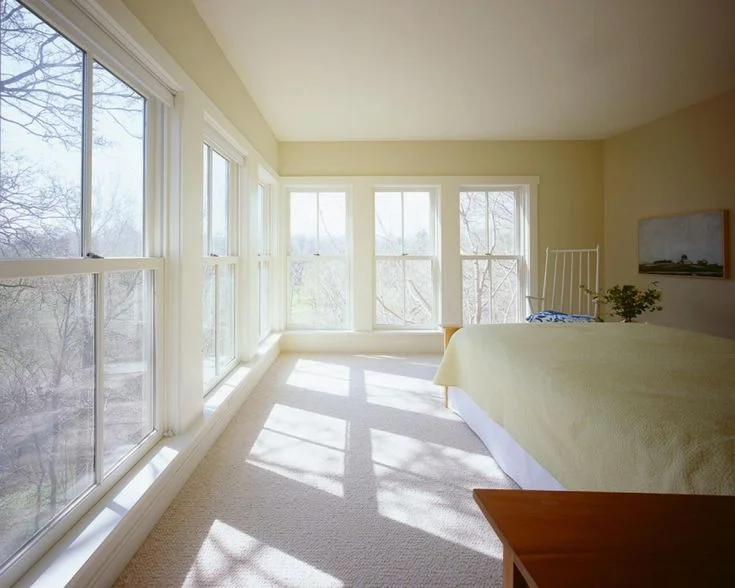
A double-hung window consists of two independently operable sashes one upper, one lower that slide vertically within a frame. Both sashes can be raised or lowered, giving the homeowner precise control over where ventilation enters and exits the room. Most modern double-hung windows also feature a tilt-in mechanism that allows both sashes to swing inward for cleaning from inside the home a practical advantage in two-story buildings where exterior access is difficult.
Double-hung windows are the most common window style in American homes, and they are particularly prevalent in Indianapolis’s large stock of traditional and colonial-style architecture. Their familiar form, wide availability, and compatibility with most home styles make them the default choice for many homeowners replacing windows on a full-house basis.
The Casement Window
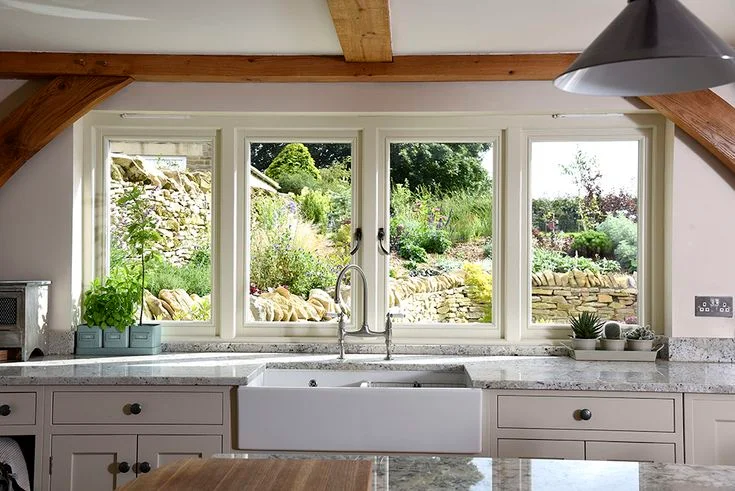
A casement window is hinged on one side and opens outward, operated by a crank mechanism at the base of the frame. When closed and locked, the sash presses firmly against the frame on all four sides, creating a compression seal that is fundamentally different from the sliding contact of a double-hung sash. Screens on casement windows are mounted on the interior rather than the exterior a design consequence of the sash swinging out.
Casement windows are common in more contemporary homes and are particularly popular in specific applications: rooms where a wide, unobstructed view is desired, spaces above kitchen sinks or counters where reaching a sliding sash would be awkward, and rooms where maximum ventilation is the priority. Their cleaner sightlines and modern aesthetic have made them increasingly popular in Indianapolis new construction and renovation projects over the past decade.
The Indiana Climate Context: Why Window Style Actually Matters Here
Indianapolis sits in a humid continental climate zone that produces genuine extremes in both directions. Average January lows hover around 18°F; average July highs reach 85°F. The city typically endures 29 days annually when temperatures never rise above freezing, followed by thaws that can send temperatures into the 50s within days. Summer brings sustained humidity that regularly pushes the heat index well above the air temperature.
That combination cold, freeze-thaw cycling, summer humidity puts specific demands on windows that milder climates simply do not. The mechanical differences between double-hung and casement windows respond to those demands in meaningfully different ways.
Climate data point: Indianapolis experiences a temperature range of approximately 63°F between its average coldest and warmest months. Each freeze-thaw cycle puts thermal stress on frame joints, sash tracks, and sealing materials. Over a full Indiana winter, that stress can repeat dozens of times. (Source: NOAA Climate Normals, 1991–2020)
Air Sealing: The Most Important Performance Difference
Of all the differences between casement and double-hung windows, none matters more in Indianapolis’s climate than air sealing and the performance gap here is real and well-documented.
A double-hung window seals by pressing weatherstripping against a sliding track. The sash must be loose enough to slide freely, which means the contact between sash and frame is never as tight as a fixed compression point. Over time and especially after repeated freeze-thaw cycling that can warp sashes and tracks that sliding contact degrades further.
U.S. Department of Energy Official guidance: Single- and double-hung windows generally have higher air leakage rates than projecting or hinged windows. Casement windows, hinged at the sides, generally have lower air leakage rates because the sash closes by pressing against the frame. (Source: energy.gov/energysaver/window-types-and-technologies)
A casement window solves the sealing problem differently. When the crank is engaged and the lever is locked, the sash is drawn firmly against the frame on all four sides simultaneously. Wind pressure from outside actually reinforces that seal rather than working against it the harder the wind blows, the more tightly the sash is pressed against the frame.
ENERGY STAR guidance: Casement, awning, and picture windows are typically more energy efficient than double-hung and single-hung windows. Casement and awning windows seal tighter when the wind blows against them. (Source: Andersen Windows / ENERGY STAR Version 7.0, andersenwindows.com)
In numerical terms, the difference is measurable. Indiana-based window research consistently shows casements ranging from U-Factor 0.27–0.30, while double-hungs typically average 0.30–0.33. That gap may appear modest on paper, but in a heating-dominated climate like Indianapolis where windows are working against outdoor temperatures that can drop to single digits it translates into consistent energy loss over the entire heating season.
Performance data: Casement windows typically achieve U-Factor ratings of 0.27–0.30, while double-hung windows average 0.30–0.33. Air leakage rates also favor casements; many premium casement units test below 0.10 cfm/ft², while some double-hung models approach the 0.30 cfm/ft² threshold permitted by ENERGY STAR certification. (Source: Hoosier Siding & Windows; How to Read Window Ratings, statewideremodeling.com)
Ventilation: Where Double-Hung Holds a Genuine Advantage
The casement’s air-sealing advantage is real but ventilation control is where the double-hung earns its place in many Indianapolis homes, particularly during Indiana’s long, variable spring and fall seasons.
A double-hung window allows you to open the top sash, the bottom sash, or both simultaneously. That flexibility enables a ventilation strategy that casements cannot replicate: opening the upper sash to allow warm, stale air to escape near the ceiling while keeping the lower sash closed to maintain privacy or limit airflow. In a two-story home during October in Indianapolis when days can reach 65°F and evenings drop to 45°F that level of control is genuinely useful.
Casement windows open fully and catch cross-breezes effectively an open casement can act as a wind scoop, directing outdoor air directly into the room. But they cannot stack-ventilate the way double-hungs can, and once open, they are either fully open or fully closed to that directional cross-breeze.
Ventilation note: A double-hung window’s top sash can be opened to let warm air escape near the ceiling while the lower sash draws in cooler air a stack-ventilation strategy that works especially well in Indiana’s spring and fall seasons when outdoor temperatures are moderate but indoor heat still accumulates.
Winter Performance: How Each Style Handles Indiana’s Coldest Months
Indiana winters test windows in two distinct ways: static cold exposure, and the mechanical stress of repeated freeze-thaw cycling. The two window styles respond to these stresses differently.
Double-Hung in Winter
The primary vulnerability of a double-hung window in Indiana winters is its sliding sash tracks. Cold temperatures shrink polymer weatherstripping and can cause vinyl frames to contract subtly, leaving microscopic gaps along the tracks that were not present during installation. Repeated freeze-thaw cycling accelerates this wear water infiltrates tiny gaps, freezes, expands, and widens those gaps further over successive cycles.
Quality double-hung windows with foam-injected vinyl frames and high-performance weatherstripping on both sashes mitigate these risks substantially. But the physics of a sliding sash mean that some air leakage potential will always exist it is inherent to the design.
Casement in Winter
The casement’s compression seal design is well-suited to cold weather conditions. The sash presses against the frame at all points, and that contact actually tightens in cold temperatures as frames contract the opposite of what happens in a sliding track system. The primary winter vulnerability for casements is the crank mechanism, which can stiffen in very cold temperatures and, on older units, may require lubrication to operate smoothly after a hard freeze.
Wood casement frames are a meaningful liability in Indiana winters specifically. Wood absorbs moisture during thaws and can swell, shift, and warp across a full season of freeze-thaw cycles. Vinyl and fiberglass casement frames are considerably more resilient in this regard and are strongly preferred for Indianapolis installations.
Summer Performance: Humidity, Ventilation, and One Important Limitation
Indianapolis summers are hot and humid average July highs of 85°F combined with dew points that regularly reach 70°F create conditions that are demanding on both occupants and windows. Both window styles handle summer reasonably well with quality glazing, but there are practical differences worth knowing.
The double-hung’s ventilation flexibility, discussed above, is particularly valuable during Indiana’s shoulder seasons late May through June and again in September when outdoor temperatures are moderate enough that open windows reduce the need for air conditioning. The ability to precisely control airflow without fully committing to an open window is a real quality-of-life advantage.
The casement’s interior-mounted screen is a meaningful advantage in summer. Because the sash swings outward, the screen sits on the interior side of the frame it accumulates less debris, is easier to clean, and is better protected from wind and rain when the window is closed. Double-hung screens sit on the exterior, where they are exposed to whatever Indiana summer throws at them.
One important limitation: Casement windows are not compatible with window air conditioning units. The sideways-opening sash makes it impossible to install a standard window AC unit, which requires a vertical-sliding sash. In Indianapolis homes that rely on window units whether as primary cooling or supplemental cooling casement windows are not a viable choice for those rooms. (Source: Modernize, modernize.com)
Side-by-Side Comparison: Double-Hung vs. Casement for Indianapolis Homes
The table below summarizes the key performance factors for Indianapolis homeowners considering either style:
| Factor | Double-Hung | Casement |
| Air Sealing | Sliding sash leaves track gaps Higher air leakage potential U-Factor: 0.30–0.33 typical Weatherstrip improves sealing | Sash compresses against frame 4-sided seal when locked U-Factor: 0.27–0.30 typical Tighter by design |
| Ventilation Control | Top + bottom sash = dual airflow Stack ventilation: warm air exits top Cool air enters at bottom Ideal for multi-story homes | Full opening width Catches cross-breezes Best single-direction airflow Cannot stack-ventilate |
| Winter Performance | More moving parts, more wear over time Freeze-thaw can warp sashes/tracks Good with quality weatherstripping Easier to upgrade seals DIY | Compression seal withstands cold Less vulnerability at track joints Better cold-weather air retention Crank mechanism may stiffen in cold |
| Summer Performance | Screens on exterior, more debris Ventilation control = no HVAC strain Compatible with window A/C units Classic in humid Indiana summers | Screens on interior cleaner Open sash catches cross-breezes NOT compatible with window A/C Exposed sash in rain if left open |
| Durability / Weather | Sash stays inside frame protected Better for high-wind / storm exposure Long-term track wear is real Tilt-in cleaning low maintenance | Sash swings outside more exposure Wood casements vulnerable to moisture Vinyl / fiberglass hold up better Exterior glass harder to clean (multi-story) |
| Cost (avg. installed) | ~$608 per window average Lower upfront cost Widely available in Indianapolis More DIY-friendly | ~$871 per window average Higher upfront cost Recovers cost via energy savings Professional install recommended |
| Best Use Case | Traditional & colonial homes High-wind areas Rooms above walkways/patios Households needing A/C units | Modern & contemporary homes Rooms with clear exterior clearance Rooms needing maximum airflow High-efficiency priority homes |
Cost Considerations: What to Expect in Indianapolis
Price is a real factor in window decisions, and the gap between the two styles is not trivial. Based on industry data, the average installed cost per double-hung window runs approximately $608, while casement windows average around $871 a premium of roughly 43% per unit.
For a full-house replacement on a typical Indianapolis home with 15–20 windows, that price difference compounds quickly. It is worth weighing the upfront premium against the long-term energy savings casements can deliver. For a home with significant heating costs and poor-performing existing windows, the energy efficiency advantage of casements particularly in rooms facing north or west where Indiana wind exposure is highest can meaningfully close that gap over a 10–15 year window lifespan.
Long-term savings context: Investing in energy-efficient casement windows can save homeowners up to $3,600 on energy bills over ten years, based on average Midwest utility cost models. That figure varies significantly by home size, existing insulation, and local energy costs, but it provides a useful framework for evaluating the upfront premium. (Source: Derchi Door, derchidoor.com)
One practical note for Indianapolis homeowners: mixing styles strategically is both common and sensible. Casements in high-efficiency-priority rooms north-facing bedrooms, rooms with significant winter wind exposure, rooms where kitchen sinks or counters make reaching a sliding sash awkward combined with double-hungs for the majority of the home’s windows often provides the best balance of performance, cost, and architectural consistency.
Durability and Maintenance in Indiana’s Climate
Both window styles, when built from quality materials and properly installed, can last 20–30 years in Indianapolis conditions. The maintenance considerations differ in ways worth understanding before you commit.
Double-hung windows benefit from a simpler mechanical design no crank assembly, no hinge hardware exposed to outdoor conditions. The tilt-in cleaning mechanism is straightforward, and weatherstripping on both sashes can be replaced as a DIY project when it wears. The sliding tracks and balance systems are the primary wear components over time.
Casement windows have more complex hardware: a crank mechanism, an operator arm, and hinges that are exposed to outdoor conditions every time the window is opened. Quality vinyl or fiberglass casements handle Indiana’s climate well, but the hardware benefits from periodic lubrication especially before and after winter. Wood casement frames, as noted, are genuinely vulnerable to Indianapolis’s moisture and freeze-thaw conditions and require significantly more maintenance to remain weather-tight.
Durability note: Because casement windows are exposed to the elements when opened, they can weather faster than double-hung windows particularly models made of wood. For Indianapolis homeowners, vinyl, aluminum, or fiberglass casement frames are recommended for durability and moisture resistance. (Source: Glass Doctor, glassdoctor.com)
Architectural Fit: Matching Your Window Style to Your Indianapolis Home
Indianapolis’s residential architecture spans a wide range from 1920s craftsman bungalows in Broad Ripple and Meridian-Kessler to mid-century ranches in the northwest suburbs to contemporary new construction throughout the metro. Window style choice has an aesthetic dimension that should not be overlooked alongside performance.
Double-hung windows, particularly with traditional divided-light grids, are architecturally correct for the colonial, craftsman, Tudor, and cape cod styles that make up a large share of Indianapolis’s existing housing stock. Replacing these with casements can look incongruous and may affect resale appeal to buyers who value architectural authenticity.
Casement windows, with their clean sightlines and unobstructed glass, suit contemporary and transitional homes well. They are also the natural choice when a large view is the room’s focal point and the horizontal check rail of a double-hung would interrupt it.
The Verdict: No Universal Winner But a Clear Framework
After working through the evidence, the honest answer for Indianapolis homeowners is that neither style is universally superior. Casement windows offer measurably better air sealing, lower U-Factor ratings, and higher energy efficiency advantages that matter genuinely in Indiana’s cold winters and windy conditions. Double-hung windows offer better ventilation control, greater durability against open-air exposure, compatibility with window air conditioning, and lower upfront cost advantages that matter in a climate with long, variable shoulder seasons and a large stock of traditional architecture.
The most useful question is not which style is better in the abstract, but which style suits each specific room and home. A north-facing bedroom with significant winter wind exposure is a strong candidate for casements. A living room in a 1940s colonial where architectural consistency matters, or any room where window air conditioning is the only cooling option, is a strong candidate for double-hungs.
When you are ready to make that evaluation for your Indianapolis home, Indianapolis Window Company brings the local window expertise to help you navigate it. They understand Indiana’s climate demands firsthand, work with both window styles across a full range of products and price points, and can provide an honest room-by-room assessment that considers your home’s architecture, orientation, and energy goals. Making the right choice once is considerably less expensive than replacing the wrong choice later.